


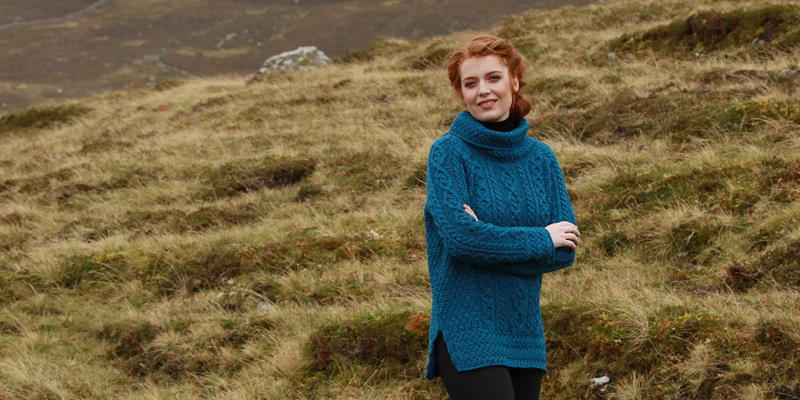
The History and Significance of Aran Jumpers in Irish Culture
The Aran jumper, also known as the Aran sweater, is one of the most iconic symbols of Irish heritage. Its intricate cable patterns, rich history, and deep connection to Ireland’s rural west make it more than just a piece of clothing—it is a cultural artefact. Originally developed on the Aran Islands, located off the west coast of Ireland, these sweaters have become globally recognised for their craftsmanship and symbolism. This article explores the origins of the Aran jumper, its evolution, its cultural significance, and its enduring role in Irish identity.
Origins of the Aran Jumper
The Aran jumper takes its name from the Aran Islands—Inis Mór, Inis Meáin, and Inis Oírr—which lie at the mouth of Galway Bay. These islands have long been home to a resilient community of Irish-speaking people who have maintained many aspects of traditional life, including fishing, farming, and handcrafts. The exact origins of the Aran jumper are debated, but most historians agree that the sweater’s development can be traced to the late 19th or early 20th century.
One theory suggests that the Aran jumper evolved from the traditional garments worn by fishermen in various parts of Europe, including the British Isles and Scandinavia. Similar knitted garments, such as Guernsey sweaters from the Channel Islands, were worn by seafarers to provide warmth and protection from the harsh ocean climate. The Aran Islanders, exposed to the relentless Atlantic winds and rain, needed durable clothing, and the thick, tightly knit wool of the Aran jumper proved to be ideal.
Another theory proposes that Aran knitting techniques were introduced by Spanish sailors shipwrecked off the Irish coast. This theory, though romantic, lacks strong historical evidence. However, there is no doubt that the knitting tradition in Ireland is ancient, and the patterns and techniques of Aran sweaters have evolved within the unique cultural context of the islands.
The Craftsmanship and Symbolism of Aran Patterns
One of the most striking features of an Aran jumper is its elaborate patterning. These sweaters are hand-knitted using undyed wool and feature a variety of raised stitch designs, each of which carries symbolic meaning. The patterns are often passed down through generations, with each family or clan developing distinctive designs. Some of the most common motifs include:
- Cable stitch: Representing fishermen’s ropes, this pattern is believed to bring good fortune and safety at sea
- Diamond stitch: Symbolising the fields of the Aran Islands, it represents prosperity and success
- Honeycomb stitch: A tribute to the hard-working nature of the islanders, this pattern is associated with good luck
- Trellis stitch: Evoking the stone-walled fields of the islands, it signifies protection and strength
- Basket stitch: Thought to symbolise a fisherman’s basket, it is associated with abundance and a good catch.
One of the most persistent myths about Aran sweaters is that each family had a unique pattern, which allowed drowned fishermen to be identified when their bodies washed ashore. While this story adds a layer of tragic romance to the sweater’s history, there is little historical evidence to support it. However, the individuality of patterns remains an important part of the tradition, with each knitter bringing their own creativity to the craft.
The Role of Aran Jumpers in Irish Culture
The Aran jumper is more than just a practical garment; it is a symbol of Irish culture, resilience, and identity. For centuries, life on the Aran Islands was shaped by hardship, with harsh weather and limited resources defining daily existence. The Aran jumper, created through skill and necessity, embodies this spirit of endurance.
During the early 20th century, Aran knitting became a means of economic survival for many islanders. Women knitted sweaters and sold them to mainland buyers, and as tourism increased, so did demand for Aran sweaters as souvenirs. The craft became a cottage industry, helping to sustain families on the islands.
In the mid-20th century, the Aran jumper gained international recognition, thanks in part to figures like American Vogue editor Carmel Snow and the Irish fashion industry. The sweaters were featured in magazines, and celebrities such as Grace Kelly and Steve McQueen were photographed wearing them. This exposure helped to elevate the Aran jumper from a practical garment to a global fashion statement.
The 1950s and 1960s saw the Aran jumper become synonymous with Irish heritage, particularly in the Irish diaspora. Irish-Americans, in particular, embraced the sweater as a tangible link to their ancestral homeland. During the folk music revival of the 1960s, bands such as The Clancy Brothers and Tommy Makem famously wore Aran sweaters on stage, further cementing their status as an emblem of Irish identity.
The Modern Aran Jumper and Its Legacy
Today, the Aran jumper remains a beloved symbol of Ireland. It is still handmade on the Aran Islands and other parts of Ireland, with artisans preserving the traditional techniques that have been passed down for generations. The global fashion industry continues to draw inspiration from the Aran jumper, with luxury brands incorporating its patterns into their collections.
In recent years, there has been a resurgence of interest in slow fashion and traditional craftsmanship, leading to a renewed appreciation for Aran knitting. Irish designers are blending modern aesthetics with traditional techniques, ensuring that the Aran jumper remains relevant in contemporary fashion. Meanwhile, museums and cultural institutions, such as the Museum of Country Life in Mayo, celebrate the history and significance of Aran knitting through exhibitions and research.
Despite changes in fashion, the Aran jumper endures as a symbol of Irish heritage. It represents not just the skill of the knitters who create it but also the history, resilience, and spirit of the Aran Islands. Whether worn as a fashion statement or as a connection to Irish ancestry, the Aran jumper continues to weave together past and present, tradition and modernity, in a way that few garments can.
Murphy of Ireland + Aran
The Aran jumper is much more than a sweater—it is a piece of Irish history, a testament to craftsmanship, and a powerful cultural symbol. From its humble beginnings on the Aran Islands to its place on international fashion runways, it has remained a cherished part of Irish identity. The intricate patterns tell a story of survival, community, and heritage, making the Aran jumper an enduring icon of Irish culture. As long as there are knitters who carry on the tradition, and wearers who appreciate its beauty and meaning, the Aran jumper will continue to hold a special place in Ireland’s cultural fabric.
At Murphy of Ireland, our deep-rooted passion for the history of the Aran sweater inspires us with our wonderful Aran collection. We see it as our responsibility to preserve and share the story, craftsmanship, and spirit of this iconic garment—and the islands it calls home.
Through each sweater and every detail of the Murphy of Ireland brand, we honour our heritage. To us, owning an Aran sweater is far more than staying warm or following a fashion trend – it’s a connection to a shared ancestry, a keepsake from time spent in Ireland, or a heartfelt nod to a place you dream of visiting.
Let Murphy of Ireland guide you on the journey of the Aran sweater—from its modest origins on the rugged Aran Islands to its celebrated, refreshed status in global fashion today.