


Origins, Heritage, and Enduring Significance
Irish tweed is one of Ireland’s most iconic textiles, known for its durability, rich texture, and earthy colors that reflect the Irish landscape. More than just fabric, Irish tweed tells the story of rural life, craftsmanship, and a long-standing tradition deeply rooted in the cultural and economic fabric of the country. From humble beginnings in the homes of Irish weavers to international runways and luxury brands, Irish tweed has grown into a powerful symbol of heritage, resilience, and timeless style.
Origins of Irish Tweed
The word “tweed” originates from a misreading of the Scottish word “tweel” (a Scots term for “twill”) in the early 19th century. A London cloth merchant supposedly mistook “tweel” for “tweed” – perhaps associating it with the River Tweed in Scotland—and the name stuck. Though the term has Scottish roots, the craft of producing woven woollen fabric has been practiced in Ireland for centuries, long before the term “tweed” entered the textile lexicon.
In Ireland, tweed production dates back to pre-industrial times. Irish farmers raised sheep for wool, which was hand-spun, dyed using natural materials like mosses, lichens, and berries, and woven on handlooms at home. This homespun fabric was essential for making garments that could withstand the harsh Irish climate — windy, damp, and cold for much of the year.
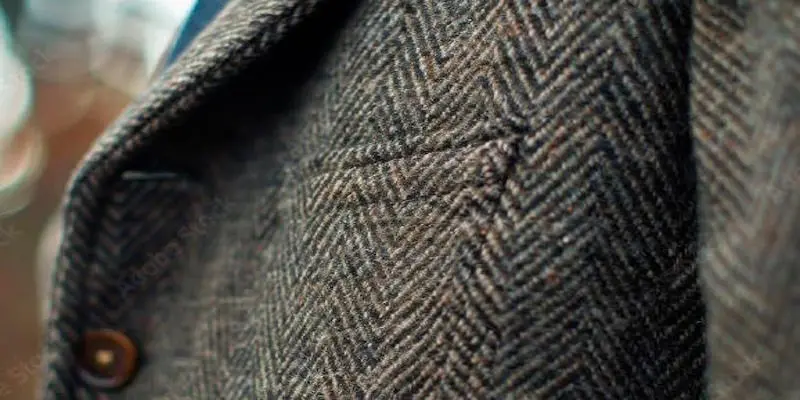
The most renowned Irish tweed comes from County Donegal, in the rugged northwest of Ireland. Donegal tweed, as it is widely known, developed a unique identity distinct from Scottish tweed. Characterised by a coarse weave and the use of colourful flecks (or “neps”) inspired by the surrounding landscape, Donegal tweed became emblematic of Irish craftsmanship and rural life. Murphy of Ireland, with our hands on experience of Donegal Tweed since 1939, have been sourcing and selling the finest Irish Tweed garments.
The Significance of Donegal Tweed
Donegal’s long history of textile production goes back over 150 years, though weaving likely existed there much earlier. By the mid-19th century, Donegal had developed into a hub for handwoven tweed, with local families weaving cloth in their cottages and selling it through merchant houses or at local fairs. The local wool industry thrived thanks to Ireland’s abundant sheep, access to natural dyes, and a population skilled in spinning and weaving.
The patterns and colours of Donegal tweed reflect the Irish environment. Greens and browns mimic the bogland and heather-covered hills, while blues and greys echo the Atlantic coastline. Tiny flecks of red, yellow, or orange within the weave represent wildflowers and berries. These natural inspirations gave Donegal tweed its distinctive, rustic appearance and established it as a fabric of both utility and aesthetic appeal.
Unlike Scottish tweeds, which often follow defined tartan or check patterns, Donegal tweeds are known for their seemingly random yet harmonious distribution of coloured yarns. This organic visual texture is part of what gives Irish tweed its character and artistic identity.
Cultural and Economic Importance
In the 19th and early 20th centuries, the production of tweed in rural Ireland was both a livelihood and a cultural practice. Weaving was often a family endeavour, with men operating the loom and women spinning wool or preparing dyes. The sale of cloth provided supplemental income in a region with limited agricultural opportunities. It also helped preserve traditional skills at a time when industrialisation threatened rural economies.
Efforts to promote and protect the Irish wool industry grew during this period. Philanthropists, government agencies, and local cooperatives supported training and infrastructure to ensure high-quality standards and economic sustainability. For example, in the early 20th century, Congested Districts Boards and other regional development initiatives helped introduce better looms and encourage standardisation in dyeing and weaving, giving Donegal tweed greater appeal in foreign markets.
Throughout the 20th century, Irish tweed remained an important export and a proud symbol of national identity. It gained international recognition for its authenticity and aesthetic charm. Irish tweed jackets, coats, and caps became fashionable not only for their appearance but also for the story they told—a story of a people connected to the land, steeped in tradition, and committed to quality.
The Art of Weaving
Traditional Donegal tweed is woven from pure new wool, dyed and spun into yarns before being woven on handlooms. The patterns are subtle and sophisticated, requiring immense skill to achieve the desired colour combinations and textures. While modern technology has introduced mechanical looms and factory-scale production, many artisan weavers continue to practice handweaving techniques passed down through generations.
One of the most trusted names in the Irish tweed tradition is Murphy of Ireland, 1939, a family-owned company that began as a small drapery shop in Ballybofey, Donegal and grew into a global online source of fine woollen garments. Their continued commitment to Donegal craftsmanship, design innovation, and local heritage has played a central role in preserving the tweed-making tradition in Ireland.
Artisans across Donegal and other counties have also worked to keep weaving alive through small workshops, studios, and educational programs. The Crafts Council of Ireland, along with regional textile centres, promotes Irish weaving as both an art form and a viable economic activity. And we at Murphy of Ireland play our part in sourcing and promoting our wonderful Donegal Tweed to the whole world.
Sustainability and Natural Appeal
Irish tweed’s enduring appeal is tied to its environmental qualities. Made from 100% wool – a renewable and biodegradable resource—it represents a sustainable alternative to synthetic fabrics. The traditional dyeing processes, often based on natural materials, and the long lifespan of tweed garments make them an eco-conscious choice in today’s fast-fashion era.
A tweed jacket, properly cared for, can last decades. It resists wind, insulates effectively, and gains character with age. In this way, Irish tweed embodies slow fashion—quality over quantity, heritage over hype.
Irish Tweed in Contemporary Fashion
Today, Irish tweed continues to evolve. While still associated with country clothing, it has found a new place in contemporary wardrobes. Designers have reimagined tweed with slimmer fits, modern cuts, and innovative combinations with other fabrics. High fashion houses and Irish designers alike integrate tweed into runway collections, appealing to a new generation of conscious consumers who value authenticity and storytelling in their clothing.
Beyond garments, Irish tweed is now used in accessories, upholstery, and even home décor—extending its reach and preserving the tradition in new ways.
Furthermore, tweed has become a symbol of Irish pride and global recognition. Tourists visiting Ireland often seek out tweed garments as lasting souvenirs. Meanwhile, celebrities and public figures have helped reintroduce tweed into popular fashion, emphasising its sophistication and artisanal value.
Murphy’s Donegal Tweed
Our Irish tweed is far more than a fabric—it is a cultural artefact, an emblem of resilience, and a triumph of tradition in the face of change. From its roots in the windswept hills of Donegal to its presence on our online shop, tweed represents the intersection of nature, craftsmanship, and national identity. Woven into every piece of Donegal and Irish tweed is a legacy of hard work, artistry, and pride – making it not just a textile, but a timeless symbol of Ireland itself.